

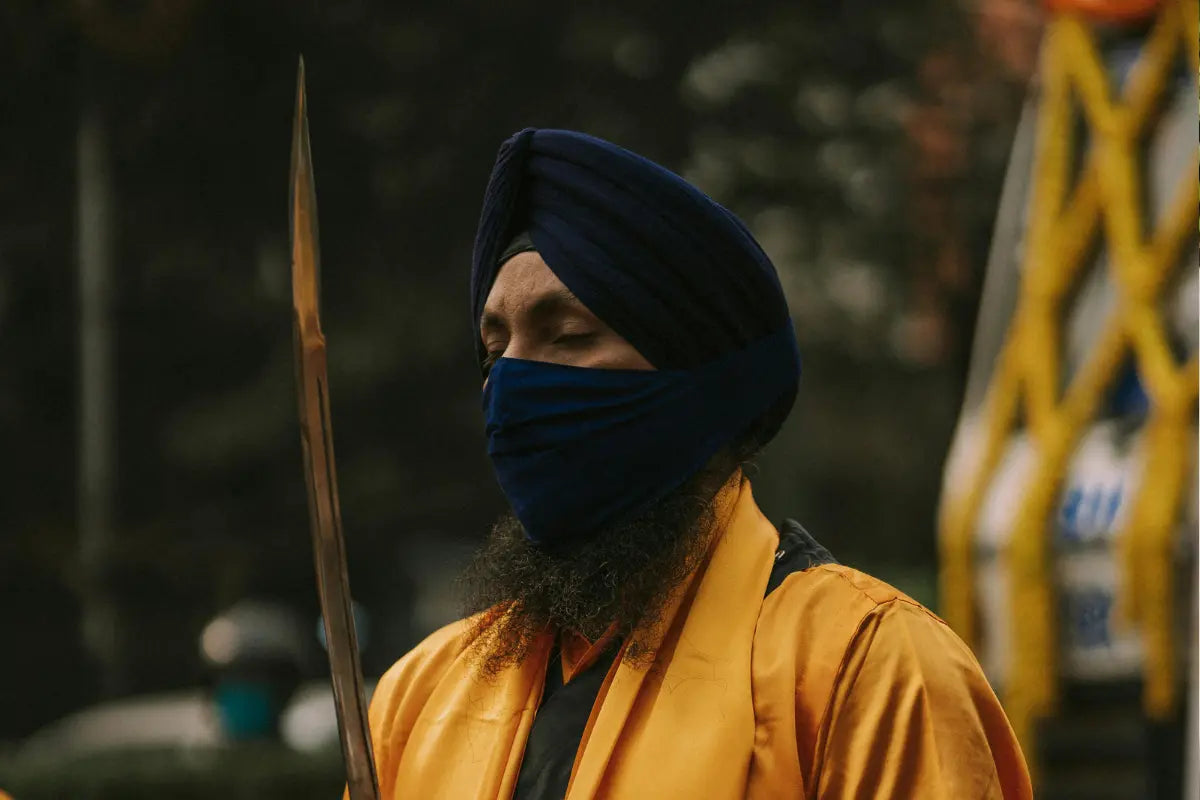
“The dastar”, often referred to as the Sikh turban, is one of the most profound and recognisable symbols of Sikhism. For centuries, it has stood as a visible representation of Sikh identity, dignity, spirituality, and devotion. Unlike ordinary headwear or cultural fashion, the dastar carries deep religious significance, connecting the wearer to the eternal teachings of the Sikh Gurus.
Across the UK and around the world, people often ask: Why do Sikhs wear the turban? The answer lies in centuries of faith, courage, cultural pride, and spiritual commitment.
A Crown of Sikh Identity
One of the most important reasons Sikhs wear the dastar is to visibly express their Sikh identity. The turban instantly communicates values such as honesty, compassion, equality, and fearlessness, core principles of the Sikh faith.
The dastar symbolises:
- Equality: Everyone is royal and divine in the eyes of Waheguru.
- Sovereignty: A reminder that Sikhs stand for justice and righteousness.
- Self-respect: The turban is worn as a crown, symbolising inner strength.
- Belonging: It visibly connects the wearer to Sikh history, community, and tradition.
For many, especially in the Sikh community, the turban remains an essential part of daily life, identity, and confidence.
Historical and Spiritual Roots of the Dastar
The turban predates Sikhism, but the Sikh Gurus transformed it into a universal symbol of dignity, leadership, and spiritual commitment. Guru Nanak Dev Ji rejected caste-based restrictions and encouraged equality. Later, Guru Gobind Singh Ji formalised the identity of the Khalsa, where the turban became an essential representation of courage, discipline, and devotion to Sikhism.
It represents:
- A life of truth, justice, and spiritual discipline
- The courage to defend the weak
- A commitment to the teachings of the Gurus
-
Inner and outer sovereignty
Wearing the dastar is a daily reminder to uphold these sacred principles.
Honouring Kesh: Respecting the Divine Gift
One of the central reasons Sikhs wear the turban is to respect and protect kesh (uncut hair), which is one of the Five Ks, the spiritual articles of the Khalsa.
Keeping kesh is a sign of accepting ourselves as God created us. The dastar protects the hair, keeps it clean, and reflects a life of discipline and devotion. The practice of combing and tying the hair each morning is a meditative moment that helps Sikhs begin their day with focus and gratitude.
Many Sikhs also use a salaai / baaj as part of their grooming routine, a simple yet meaningful accessory that helps maintain the sacred respect for kesh. This everyday practice forms an important part of traditional Sikh grooming and spiritual preparation.
A Daily Act of Devotion and Discipline
Tying the dastar is a ritual, not out of obligation, but out of love for the Sikh way of life. It requires patience, calmness, and presence, turning an everyday act into a spiritual practice.
This daily discipline encourages:
- Mindfulness
- Self-respect
- Spiritual grounding
- Awareness of one’s identity and purpose
Every fold of the dastar serves as a reminder of the wearer’s responsibility to live truthfully and courageously.
Equality and Strength, Core Sikh Values
From the beginning, Sikhism has enforced equality for all. The turban was once reserved for royalty, but the Sikh Gurus challenged this idea and declared that every person is royal. By encouraging all Sikhs to wear the turban, they gave people a way to stand tall against injustices and discrimination.
Today, the dastar represents:
- Inner strength
- Resistance to oppression
- Pride in Sikh heritage
- Social and spiritual equality
- Courage to stand for the truth
It is a declaration that one belongs to a faith rooted in fairness, kindness, and justice.
A Timeless Representation of Courage
Throughout Sikh history, the turban has been associated with bravery and service. From standing against Mughal tyranny to serving communities across the world today, Sikhs have worn the dastar as a sign of fearlessness.
Modern-day Sikhs in the UK continue this tradition through:
- Humanitarian work
- Community service (seva)
- Defence roles
- Charity projects
- Public leadership
The dastar becomes a symbol of trust and dependability wherever Sikhs go.
Cultural Pride and Intergenerational Legacy
For Sikh families, teaching younger generations to tie the turban is a cherished tradition. It strengthens the bond between grandparents, parents, and children. This act connects the youth to Sikh culture, helping them understand their roots and identity.
The process teaches:
- Patience
- Responsibility
- Cultural pride
- Respect for ancestral traditions
This intergenerational connection keeps Sikh values alive in every household.
The Dastar in Modern Society
Today, the turban remains a powerful symbol not just of religion, but of resilience, faith, and cultural continuity. Sikhs who wear the dastar in modern environments, from schools to workplaces and public institutions, help promote awareness about Sikhism and its peaceful principles.
The turban represents:
- Confidence and self-expression
- Pride in one's faith
- A life dedicated to Seva (selfless service)
- Spiritual and social responsibility
It continues to stand strong as a beacon of Sikh values across the world.
A Sacred Crown of Honour
The dastar holds centuries of history, tradition, and spiritual significance. It is a powerful reminder to live with integrity, compassion, and devotion. Each time a Sikh ties their dastar, they carry with them the legacy of the Gurus, the strength of the Khalsa, and the beauty of Sikh identity.
The dastar is not just worn on the head; it rests on the heart, guiding the wearer towards grace, humility, and courage every single day.


