
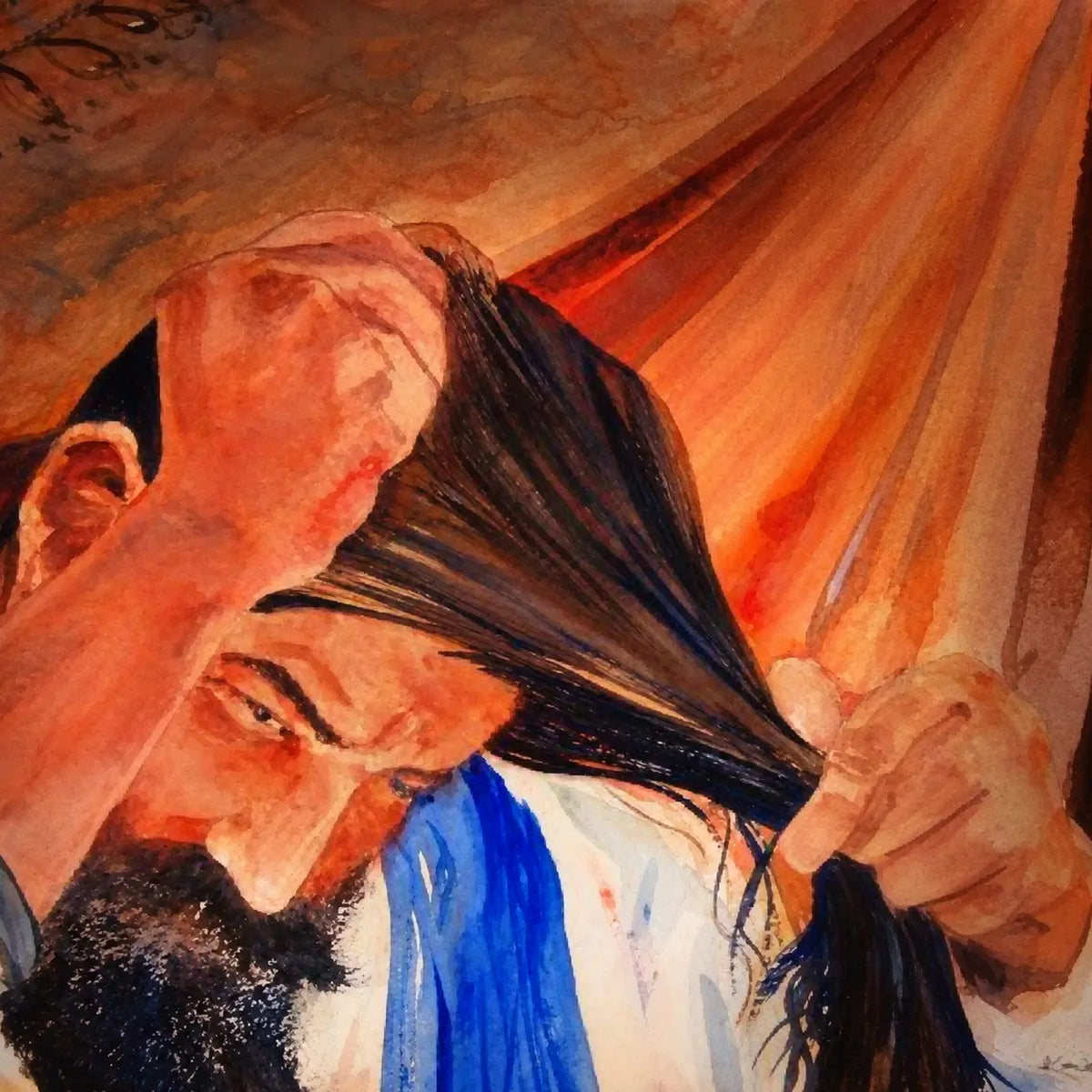
Kesh and the Kanga are two of the Five Ks and are part of Sikh life every single day. Kesh is kept uncut as a gift from the Creator, and the Kanga keeps it clean, ordered and cared for.
Understanding how to care for Kesh and how to use and maintain a Kanga helps Sikhs of all ages honour these articles of faith with confidence.
What Is the Meaning of Kesh and Kanga?
Kesh
Kesh is uncut hair. Keeping Kesh reflects acceptance of the form given by the Creator and is a visible sign of Sikh identity and commitment.
Kanga
The Kanga is a small wooden comb kept in the hair beneath the Dastar. It represents cleanliness, order and discipline.
Together they carry a simple message. What has been given should be accepted with gratitude and cared for with discipline.
Why the Kanga Is Wooden
The Kanga is traditionally made of wood, and this choice is practical as well as symbolic.
- Wood is gentle on the hair and scalp
- It creates less static than plastic
- It glides through long hair with less breakage
- It is small and light enough to be kept in the Joora
A well made wooden Kanga will last for years with simple care.
A Daily Kesh Care Routine
Sikh tradition is to comb the Kesh twice a day, in the morning and in the evening.
- Untie the Kesh fully and let it rest for a few moments
- Begin combing from the ends and work gradually up to the roots
- Hold the hair above a knot while easing it out to avoid pulling at the scalp
- Tie the Joora and place the Kanga within it
- Cover the Kesh with a Dastar or Keski
Combing is also a moment of stillness, and many recite Gurbani while doing so.
Washing and Drying Kesh
Clean Kesh is central to the discipline the Kanga represents.
- Wash regularly with a gentle shampoo, paying attention to the scalp
- Rinse thoroughly so no product remains
- Pat dry with a towel instead of rubbing
- Allow the Kesh to dry completely before tying
Tying damp Kesh beneath a Dastar can lead to discomfort and an unhealthy scalp, so drying fully is important.
Oiling the Kesh
Oiling has long been part of Kesh care and helps keep long hair strong.
- Coconut, almond and mustard oil are all commonly used
- Massage a small amount into the scalp and through the lengths
- Oil once or twice a week, or more often in cold, dry weather
- Comb through with the Kanga to spread the oil evenly
Tying the Joora Without Strain
A Joora tied too tightly, day after day, places strain on the hairline.
- Tie the Joora firmly but not tightly
- Avoid pulling the hair sharply back from the forehead
- Loosen the Kesh fully each evening
- Tie the Dastar so that it sits securely without excessive pressure
Small adjustments made daily protect the Kesh over a lifetime.
Caring for the Beard
The beard is Kesh and deserves the same care.
- Wash and dry the beard thoroughly
- Apply a little oil to keep it soft
- Comb gently with a beard comb, working from the ends upwards
- Use a Baaj to tuck stray hairs neatly beneath the Dastar
A beard comb and Baaj are small items that make daily care simpler and neater.
Caring for Children's Kesh
Building good habits early helps children grow up comfortable and proud of their Kesh.
- Comb gently and patiently, starting from the ends
- Use a little oil to ease knots
- Keep the Joora loose and comfortable beneath the Patka
- Explain the meaning of Kesh and Kanga as part of the routine
These moments are often where children first learn about their identity.
How to Look After a Kanga
A Kanga is used every day and should be kept clean.
- Remove hair from the teeth after each use
- Clean between the teeth regularly with a small brush
- Keep it dry and avoid leaving it in water
- Rub in a drop of oil occasionally to protect the wood
- Replace it if the teeth crack or break
Many Sikhs gather the Kesh that comes away during combing and dispose of it respectfully instead of discarding it carelessly.
Kesh, Kanga and Sikh Identity
Sikh identity is rooted in discipline, devotion and responsibility. Kesh is its most visible expression, and the Kanga is the daily discipline that accompanies it.
Alongside the Kara and Kirpan, they remind Sikhs that faith is carried in everyday actions. The Dastar that covers the Kesh completes this identity with dignity.
Many choose authentic Sikh accessories that reflect the same care and respect.
The Enduring Significance of Kesh and Kanga
The significance of Kesh and Kanga lies in their constancy. They are present from morning to night, in every stage of life.
They remind Sikhs that faith is not passive. It is lived through acceptance, cleanliness and daily discipline.
Honouring Kesh and Kanga means honouring Sikh history, Sikh values and the identity given by the Guru.


