

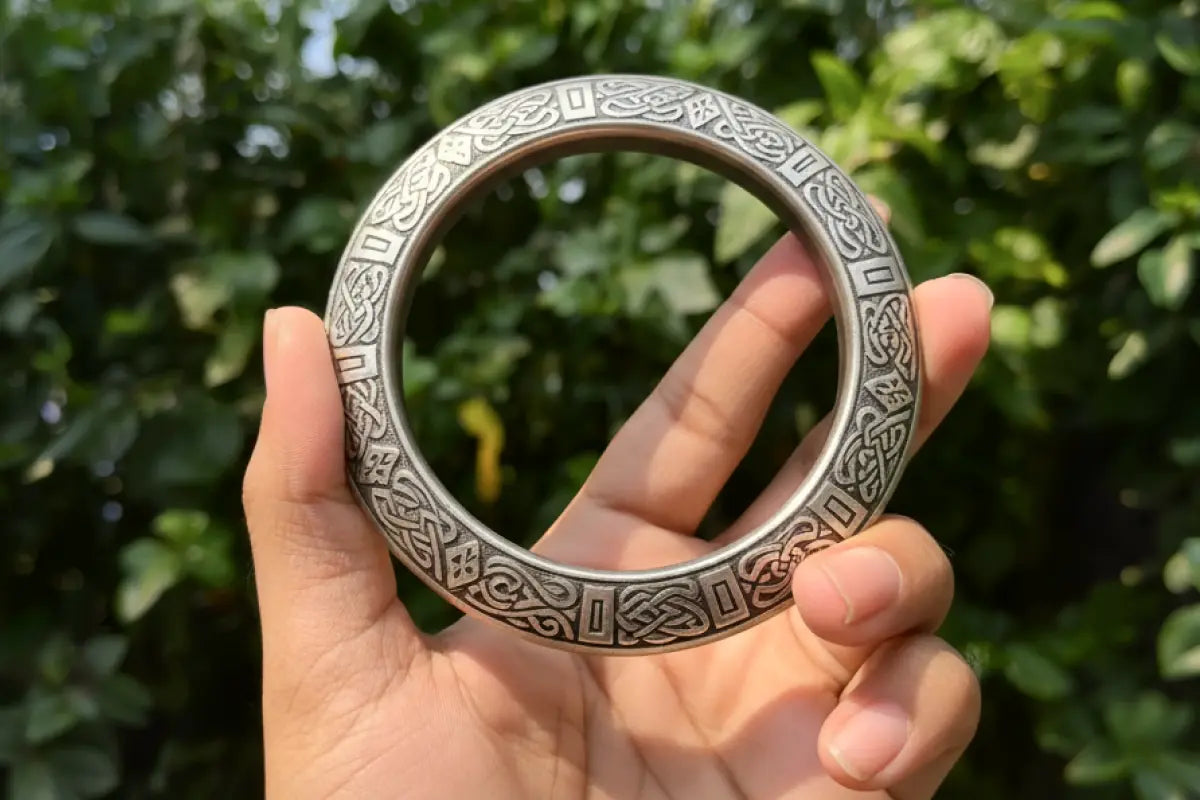
Sarbloh, meaning “all iron,” holds a profound place in Sikh tradition, faith, and heritage. Far beyond being a mere material, Sarbloh embodies spiritual strength, purity, and devotion. Its use spans centuries, forming an essential part of daily life, worship, and the martial heritage of the Sikh community.
For Sikhs, Sarbloh is not simply a substance, it is a living symbol of resilience and spiritual commitment, reflected in everything from sacred utensils to kirpans, shastars, and devotional accessories. Understanding the legacy of Sarbloh provides insight into Sikhism, Sikh identity, spiritual discipline, and ethical living, making it an integral topic for those wishing to explore Sikh faith and culture.
What is Sarbloh?
Sarbloh literally translates to “all iron” and refers to items crafted from pure iron or steel, traditionally without mixing other metals. In Sikh culture and religion, Sarbloh has been revered for its durability, purity, and spiritual significance.
Historically, Sarbloh has been used in ritual utensils, devotional items, martial weapons, and household objects, linking everyday life with faith, discipline, and mindfulness. Items made of Sarbloh are considered sacred, and their creation often involves prayerful craftsmanship, ensuring that spiritual intention accompanies practical utility.
Sarbloh in Daily Sikh Life
1. Sarbloh in the Langar
The langar, or communal kitchen, is a cornerstone of Sikh faith and practice, reflecting values of equality, service, and community. Utensils made of Sarbloh, such as Sarbloh bata (iron bowls), are traditionally used in the preparation and serving of langar.
Sarbloh is chosen for its purity, resilience, and durability, allowing every act of service to be performed with reverence and mindfulness. Using Sarbloh in langar embodies the principle that even ordinary acts in daily spiritual practice can carry deep religious and ethical significance.
2. Sarbloh in Ritual and Worship
Sarbloh is deeply embedded in rituals and personal devotion. Items like prayer beads, ceremonial plates, and small shastars are crafted from this sacred metal. The enduring strength of Sarbloh symbolizes spiritual resilience, reminding devotees to uphold discipline, ethical conduct, and devotion in everyday life.
For example, using a Sarbloh mala during prayer encourages mindfulness and intentionality in spiritual practice, helping Sikhs connect their daily actions with core principles of Sikhism.
3. Martial and Historical Significance
Sarbloh is historically associated with the martial tradition of the Khalsa, established by Guru Gobind Singh Ji in 1699. Weapons such as kirpans, shastars, and chakkars were traditionally forged from Sarbloh to ensure durability, reliability, and spiritual significance.
These weapons were never meant for aggression; they symbolised the Sikh duty to defend righteousness, protect the vulnerable, and uphold justice. Each Sarbloh shastar represents a fusion of physical strength and spiritual discipline, reflecting the Sikh ideal of the Sant-Sipahi (saint-soldier).
4. Sarbloh in Jewellery and Accessories
Sarbloh is also used in jewellery and personal accessories, including karas, chains, pendants, and small decorative items. Wearing Sarbloh items serves as a daily reminder of faith, humility, and devotion, keeping spiritual values present throughout one’s day.
Each handcrafted piece connects the wearer to centuries of Sikh heritage and tradition, embodying the ideals of service, discipline, and remembrance. The enduring nature of Sarbloh reminds Sikhs that faith and spiritual principles are timeless, guiding both ceremonial and daily life.
5. Sarbloh in Household and Community Life
Beyond ritual and martial use, Sarbloh items are incorporated into Sikh homes and community practices. Many traditional households use Sarbloh utensils for prayer offerings, meals, and devotional gatherings.
The use of Sarbloh in everyday life reinforces the belief that spiritual practice is not confined to sacred spaces; it extends to daily actions, service, and ethical living. In this way, Sarbloh serves as a tangible reminder of devotion, mindfulness, and heritage.
Spiritual Significance of Sarbloh
The spiritual significance of Sarbloh is multifaceted:
- Resilience and Strength: Its physical strength mirrors the spiritual qualities expected of a Sikh, including courage, moral integrity, and devotion.
- Equality and Service: Items made from Sarbloh are used by everyone in communal practices like langar, reinforcing Sikh ideals of equality, humility, and shared humanity.
- Mindfulness in Daily Life: Sarbloh items encourage reflection, discipline, and intentionality, making faith a part of everyday ethical choices.
Sarbloh is not just a metal; it is a symbol of living Sikh values, bridging the gap between material objects and spiritual principles.
Preserving Sarbloh Traditions Today
In the modern world, Sarbloh continues to be highly respected. Handcrafted Sarbloh items are created with care, devotion, and attention to detail, ensuring the preservation of centuries-old Sikh craftsmanship.
Whether used in rituals, martial practice, or daily life, Sarbloh remains a living testament to Sikh faith, ethical responsibility, and heritage. For many, owning or using a Sarbloh item is a way to honour tradition while practising mindfulness and devotion in contemporary life.
Sarbloh in Modern Sikh Practice
Modern Sikhs incorporate Sarbloh in spiritual practice, personal accessories, and communal rituals. Items such as Sarbloh karas, malas, and utensils are valued not only for their utility but also for their symbolic meaning, connecting the individual to centuries of tradition and teaching mindfulness, moral responsibility, and devotion.
By keeping Sarbloh central to daily life, Sikhs are reminded that spiritual and ethical living is a continual practice, extending beyond rituals to every act of service, kindness, and reflection.
The legacy of Sarbloh in Sikh tradition is both material and spiritual. It teaches that faith, devotion, and moral responsibility can be integrated into everyday life. From communal service in langar to the sacred Kirpan, Sarbloh embodies strength, purity, and enduring spiritual values.
For Sikhs, Sarbloh is more than iron, it is a living symbol of heritage, discipline, and devotion, reminding us that the principles of Sikhism are not just learned, but lived every day.
By understanding and practising the values associated with Sarbloh, Sikhs continue to honour their faith, heritage, and community through mindful, ethical, and spiritual living.


